William Wordsworth was a great poet and important figure during the 19th century who, with Samuel Taylor Coleridge, founded the Romantic Age of the English literature. Along with joint publications, Wordsworth had many published poems of his own, in which he wrote a lot about the power of nature.
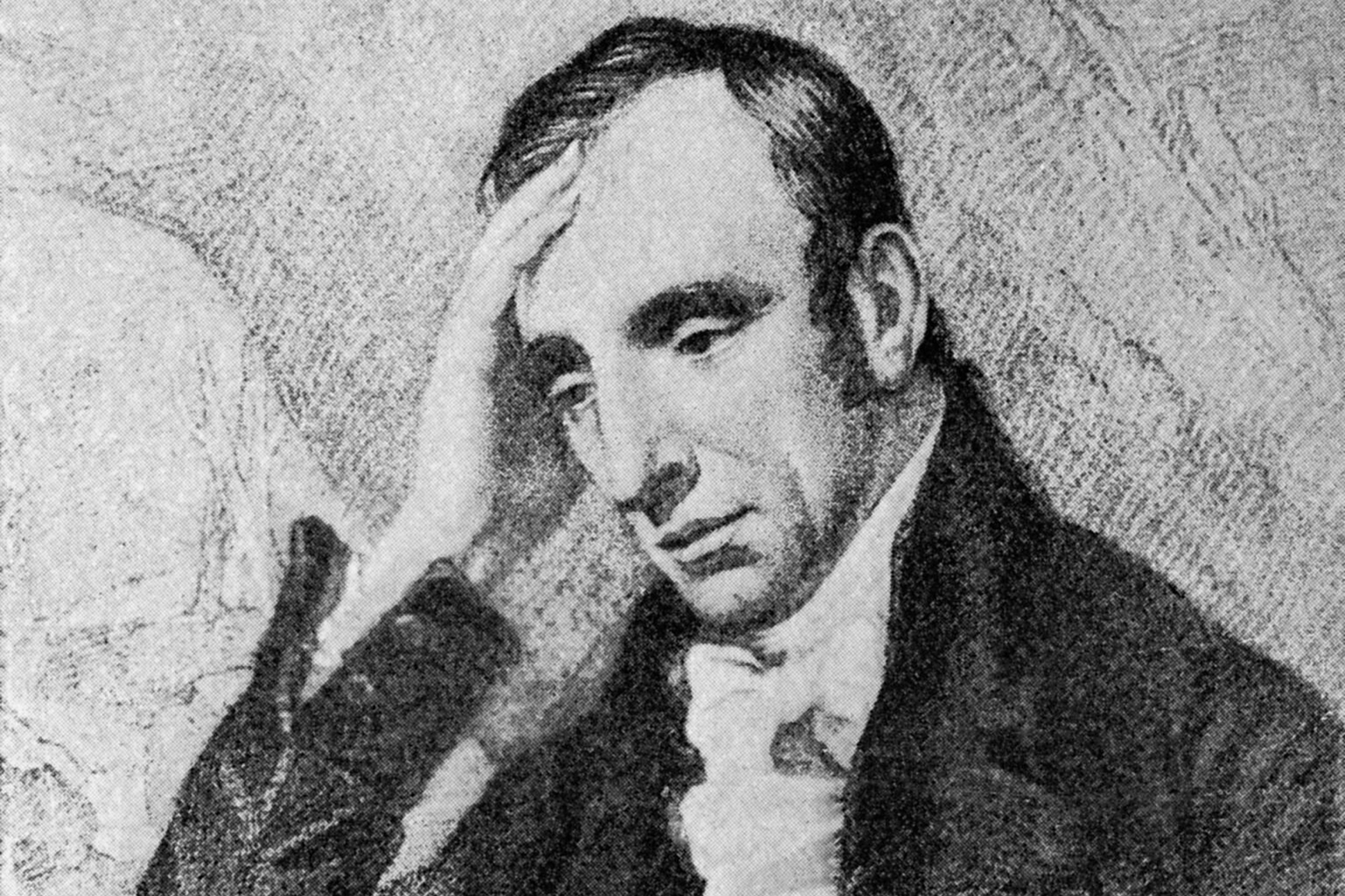
In his poem titled ‘Expostulation and Reply’ (1798) Wordsworth wrote of a conversation between himself and a friend by the name of Matthew, in which his friend asks why he doesn’t look to books for research and knowledge but instead seems to “dream [his] time away” (4). Wordsworth’s reply to his friend is thoughtful and he speaks of the power in nature itself to teach one plenty. He suggests that those who can sit and bask in nature and find inspiration and knowledge through it can experience a “wise passiveness” (24).
I believe what Wordsworth implied by this is that sometimes there is more intellect in those that can sit quietly and not have to search for answers or meaning, as they will find answers come to them and nature can be the greatest teacher of all. Taking a step back and not pursuing something can actually help oneself to stimulate ideas on its own without force.
I feel that I have experienced this “wise passiveness” that Wordsworth talks about in my own life at times. When I have felt overwhelmed by life’s problems and can’t clear my mind, I always find that submerging myself in nature, like laying in the grass for hours, helps to inspire myself and think of solutions to the problems I’m facing. Nature has a way of helping the brain to be calm enough to be open to thoughts and that everyday life seems to cloud. This “wise passiveness” is somewhat intelligence that comes with allowing one’s self to be in tune with nature and forces beyond control which inspire new thought.
 Lilly Flack Literature Blog
One thought on “Blog 1 – “Wise Passiveness””